...will shape the future. We’re making good progress on things like the cost of solar panels and electric vehicles, but we need to start tackling the more difficult sectors as...
...automotive and energy sectors by championing electric vehicles (EVs) and renewable energy solutions, producing and delivering over 1.3 million EVs worldwide in 2022. Its relentless innovation in battery technology has...
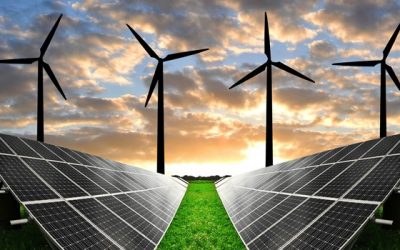
...1% to providing 10% of electricity in Brazil, and provided 15% of the EU’s electricity demand in 2019. Solar power – described as “the most expensive way to reduce carbon...
...back with “no-road zones” for two- or four-legged passersby. These are passages where foot traffic and bikes may go, but not vehicles. They can help prevent roadside accidents and keep...
...used to produce electricity and heat. The industry currently produces 15.4 trillion tonnes, or 1.9 tonnes per capita, of GHG emissions annually. Reducing the amount of GHG released during energy...
...plastic from old or junked vehicles. Even organic waste can be reused to generate energy. Since 2009, waste processing plants have begun incorporating membrane bioreactors — nearly 100 as of...
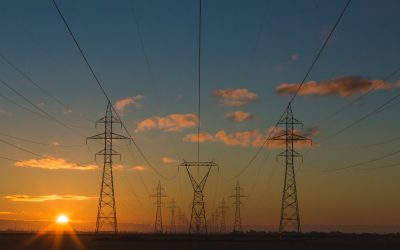
...course, plants, factories and assembly lines depend on electricity. Therefore, a power outage may delay and backlog orders. Without electricity, production halts, and warehouses cannot fulfill shipments. Suppliers...
...With Low-Impact Equipment Builders can also shrink a structure’s carbon footprint by using electric equipment throughout the construction process. Electric machines like excavators release zero tailpipe...